12 Nov 2026
General
Struggling with Poor Posture? How Chiropractic Support in Pukekohe Can Help Improve Your Everyday Movement

Poor posture can gradually become part of everyday life, especially with long hours at a desk, on a phone, behind the wheel, or in work positions that place repeated strain on the body. Over time, poor posture may be associated with neck tension, back discomfort, stiffness and changes in how you move.
For people in Pukekohe and across the Franklin region, understanding how posture may be affecting everyday movement can be an important first step. At Living Family Chiropractic, personalised chiropractic care for poor posture starts with assessing movement, posture and the other factors that may be contributing to discomfort.
Posture is more than sitting up straight
Posture is influenced by more than standing tall. Daily habits, work environments, screen use, previous injuries, muscle tension and limited movement all affect how the body holds itself. Poor positioning over long periods may also contribute to poor posture and back pain, neck stiffness, shoulder tension or reduced comfort during everyday activities.
We provide individual assessments to understand these factors and how they may be affecting each person's movement and wellbeing. Research suggests that changes in head position can affect the load placed on the neck, which is one reason screen habits matter.
The 4Ts and the nervous system
In our practice we use a framework called the 4Ts: Trauma, Technology, Thoughts and Toxins. Poor posture can be influenced by several of these everyday stressors. Technology shapes how long we stay in one position, and thoughts and stress may influence how much tension we carry through the neck and shoulders. These are among the factors we consider when looking at posture, movement and overall wellbeing.
Improving posture through everyday movement
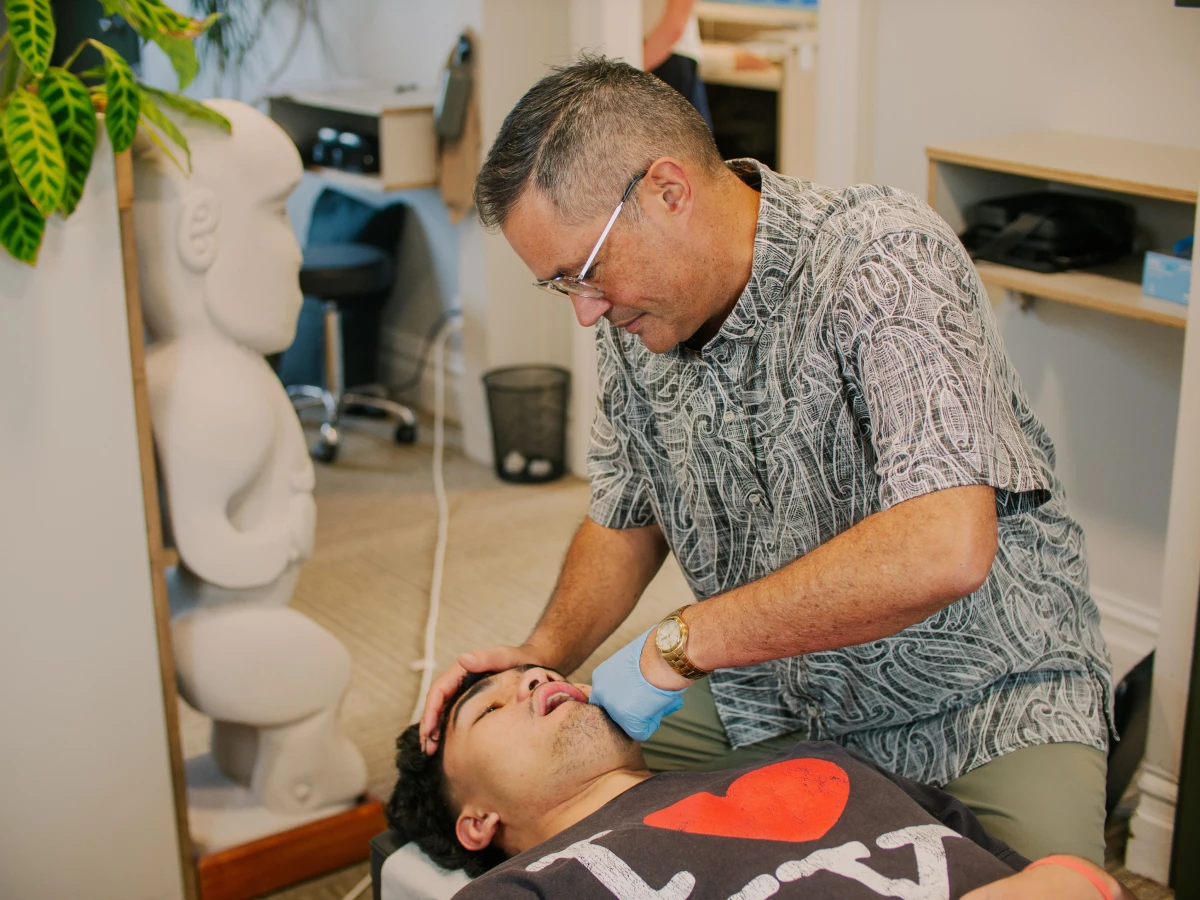
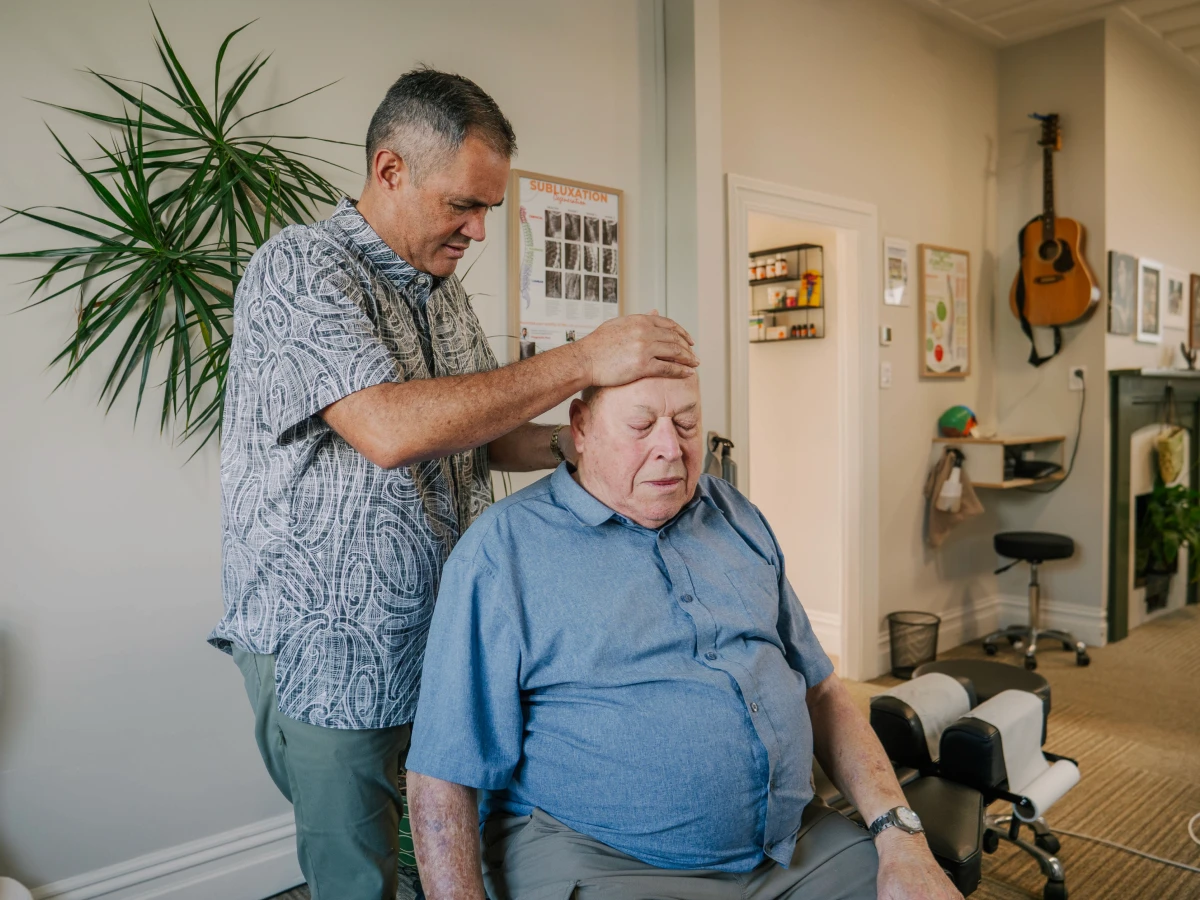
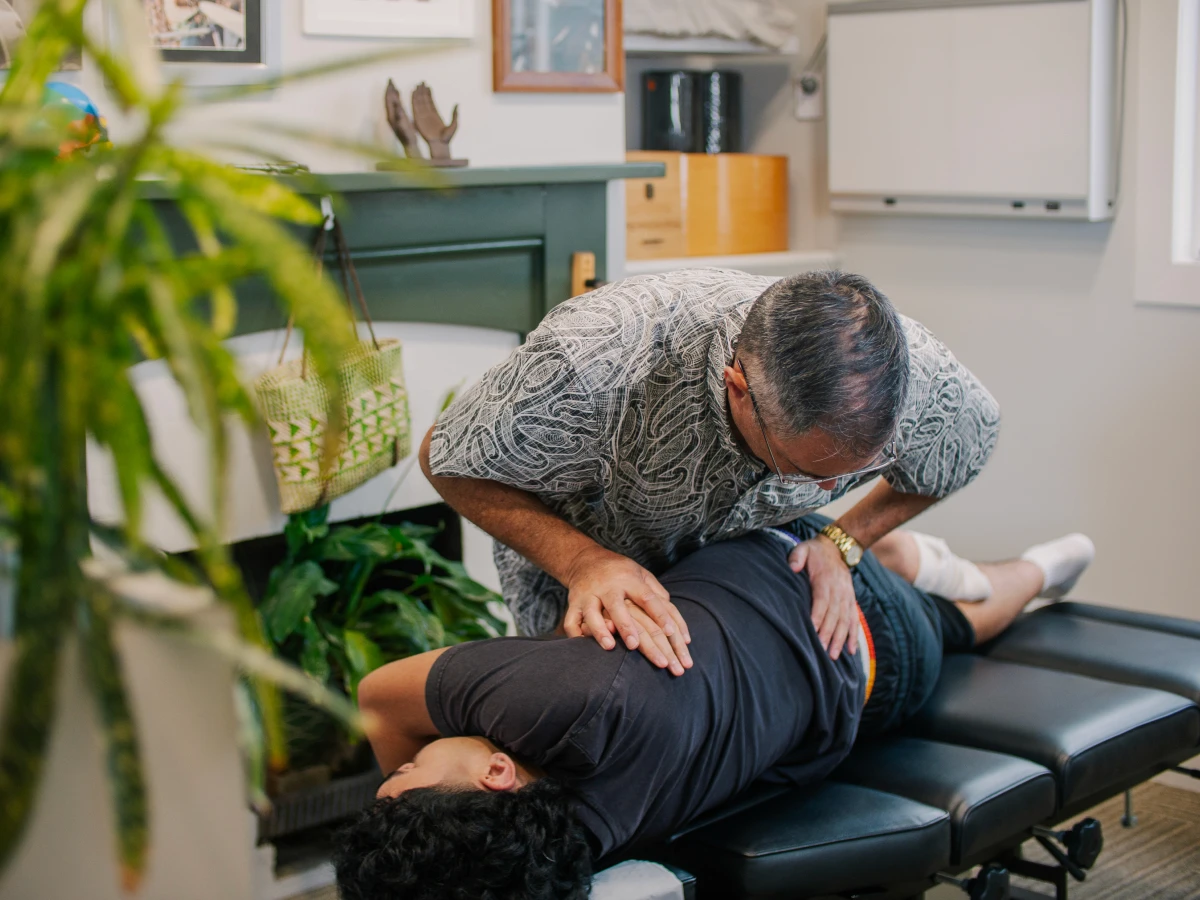
Improving posture often means looking at everyday movement patterns rather than fixing one position. At Living Family Chiropractic, care may support healthier movement, spinal mobility, body awareness and practical lifestyle changes that encourage better posture habits.
Our approach to posture correction in Pukekohe is personalised to each person's needs, work demands and daily activities. Where it is helpful, we may use tools such as the Insight Neuro Scan as part of assessing posture and nervous system function. For people seeking spinal alignment support in Franklin, chiropractic care may form part of a broader approach to improving movement and supporting everyday comfort. Care is tailored to the individual and their assessment findings. If posture is linked with back discomfort, you can read more about sciatica relief, or about neck pain and tech neck.
Choosing a posture chiropractor in Pukekohe
Choosing a posture chiropractor in Pukekohe means an assessment that considers your posture, movement, lifestyle and individual circumstances. As a family-focused practice serving Pukekohe and the wider Franklin community, we aim to help practice members understand the factors influencing their posture.
Our assessment-led approach may consider spinal movement, muscle tension, work habits, screen use, previous injuries and other factors that influence how the body moves and functions. Persistent or worsening pain should always be properly assessed.
Email: info@livingchiro.co.nz
Book your first visit: https://livingchiro.bookings.pracsuite.com/guest
Frequently Asked Questions
Can chiropractic care help with poor posture?
Chiropractic care may support spinal mobility, body awareness and movement habits that influence posture. Results vary, and care works best alongside practical changes to your day-to-day routine.
Is poor posture linked to back pain?
Poor posture and back pain are often experienced together, though posture is only one of several possible contributors. An assessment helps separate what is relevant to you.
Do children and teens need posture checks too?
Many families bring children and teenagers in because of screen use and school bags. We assess every age group, and care is adjusted to the person.
What can I change at my desk today?
Taking regular movement breaks, raising screens towards eye level and varying positions through the day are sensible starting points.
Book an assessment
Poor posture does not have to become something you simply accept. Whether you spend long hours at a desk, use digital devices often, or want to move with more comfort, book an assessment with Living Family Chiropractic and find out how natural posture improvement and chiropractic support may help you move with greater comfort and confidence.
This article draws on peer-reviewed research.
1. Hansraj KK. Assessment of stresses in the cervical spine caused by posture and position of the head. Surg Technol Int 2014;25:277-279.
2. Haavik H, Murphy B. The role of spinal manipulation in addressing disordered sensorimotor integration and altered motor control. J Electromyogr Kinesiol. 2012;22(5):768-776.
More Posts
Copyright © 2026 Living Family Chiropractic
Website by Made