9 Mar 2026
General
Chiropractic & the Brain

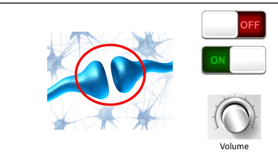
Research by Neuroscientists has shown that chiropractic spinal adjustments can influence brain function, resulting in neuroplastic changes. This means you might feel better after a chiropractic visit because your brain's interpretation of your body's signals has changed, which can affect your pain levels. In particular, adjustments impact the prefrontal cortex, a brain area involved in chronic pain development. Neuroscientists believe that chiropractic care is likely to reduce pain perception by allowing the brain to "turn down" or "switch off" the sensation of pain.
Did you know pain is determined by your brain?
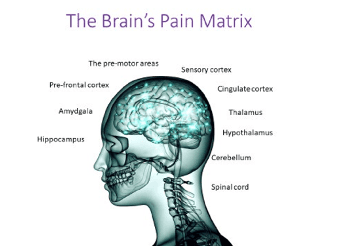
The brain can trigger a pain response if it perceives a potential threat, even in the absence of actual tissue damage. This means you can experience pain without any physical injury. Ironically, research also indicates that even when there is real tissue damage, your brain might not register pain. This phenomenon, known as the paradox of pain, reveals that the pain you feel doesn't always reflect the severity or location of an issue—if there is one at all.
This means chiropractors may not adjust your spine exactly where you feel pain. Instead, they focus on areas with subluxations to address interference and target the underlying cause.
What is the popping sound?
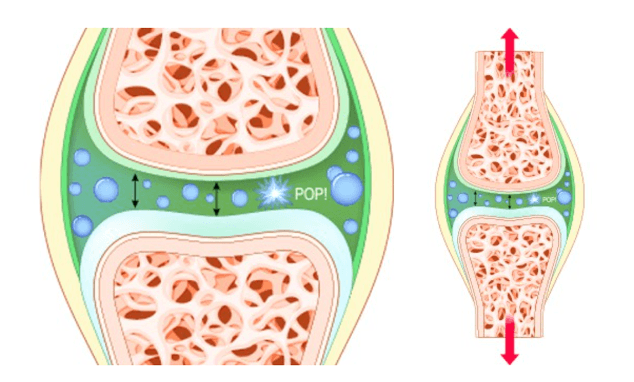
The popping or cracking sound you might hear during a chiropractic adjustment is simply the result of gas bubbles forming within a joint as two surfaces are separated. It has nothing to do with bones grinding or rubbing together. In fact, whether or not you hear this sound has no impact on the effectiveness of the treatment.
There is a really cool name for this too. It’s called tribonucleation – try that one after a few drinks! It’s actually very similar to what happens when you open a champagne bottle, but it’s all happening in an enclosed joint space.
So, while the popping or cracking may sound alarming, rest assured that it’s a completely natural and harmless aspect of a healthy chiropractic adjustment.
Research by Neuroscientists has shown that chiropractic spinal adjustments can influence brain function, resulting in neuroplastic changes. This means you might feel better after a chiropractic visit because your brain's interpretation of your body's signals has changed, which can affect your pain levels. In particular, adjustments impact the prefrontal cortex, a brain area involved in chronic pain development. Neuroscientists believe that chiropractic care is likely to reduce pain perception by allowing the brain to "turn down" or "switch off" the sensation of pain.
Did you know pain is determined by your brain?
The brain can trigger a pain response if it perceives a potential threat, even in the absence of actual tissue damage. This means you can experience pain without any physical injury. Ironically, research also indicates that even when there is real tissue damage, your brain might not register pain. This phenomenon, known as the paradox of pain, reveals that the pain you feel doesn't always reflect the severity or location of an issue—if there is one at all.
This means chiropractors may not adjust your spine exactly where you feel pain. Instead, they focus on areas with subluxations to address interference and target the underlying cause.
What is the popping sound?
The popping or cracking sound you might hear during a chiropractic adjustment is simply the result of gas bubbles forming within a joint as two surfaces are separated. It has nothing to do with bones grinding or rubbing together. In fact, whether or not you hear this sound has no impact on the effectiveness of the treatment.
There is a really cool name for this too. It’s called tribonucleation – try that one after a few drinks! It’s actually very similar to what happens when you open a champagne bottle, but it’s all happening in an enclosed joint space.
So, while the popping or cracking may sound alarming, rest assured that it’s a completely natural and harmless aspect of a healthy chiropractic adjustment.

Copyright © 2026 Living Family Chiropractic
Website by Made